Making -
Measuring -
Monitoring -
+ Better Air
This is not an air quality monitor. Well, it actually is. But it's much more than that.
When you buy an air quality device it likely comes packaged with a "serious air pollution" narrative that only the device can solve. That's not true. Devices just update you on what's happening around you...and even then, with variable accuracy. If you actually want to improve your air situation, you need an intimate understanding of what's happening and the tools to do something about it. That takes knowledge, self-reflection, and a willingness to change.
Here's the uncomfortable trutht: you probably don't know what your indoor air looks like. And if you're not attuned to what it looks like, you're likely wasting time and money on devices that don't change your situation for the better. We spend 90% of our time indoors, yet most air quality monitoring happens far from where we actually live and breathe. The good news is that awareness is the hardest part. Once you have awareness, the knowledge and habits to actively creating a healthier space are right there. The goal is to situate yourself into a powerful feedback loop: data → response → data → response.
Alternative -
Approaches -
+ to Air
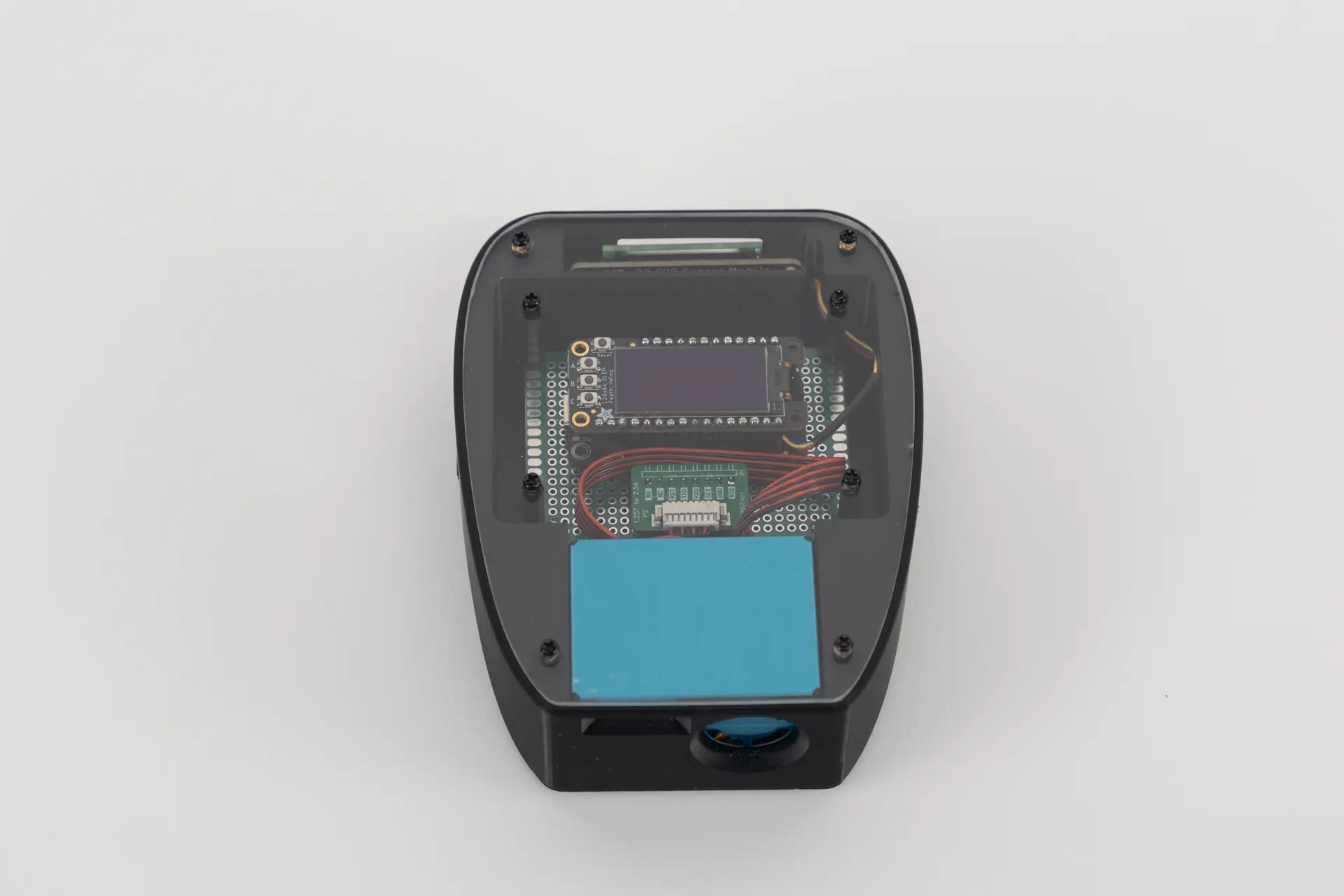
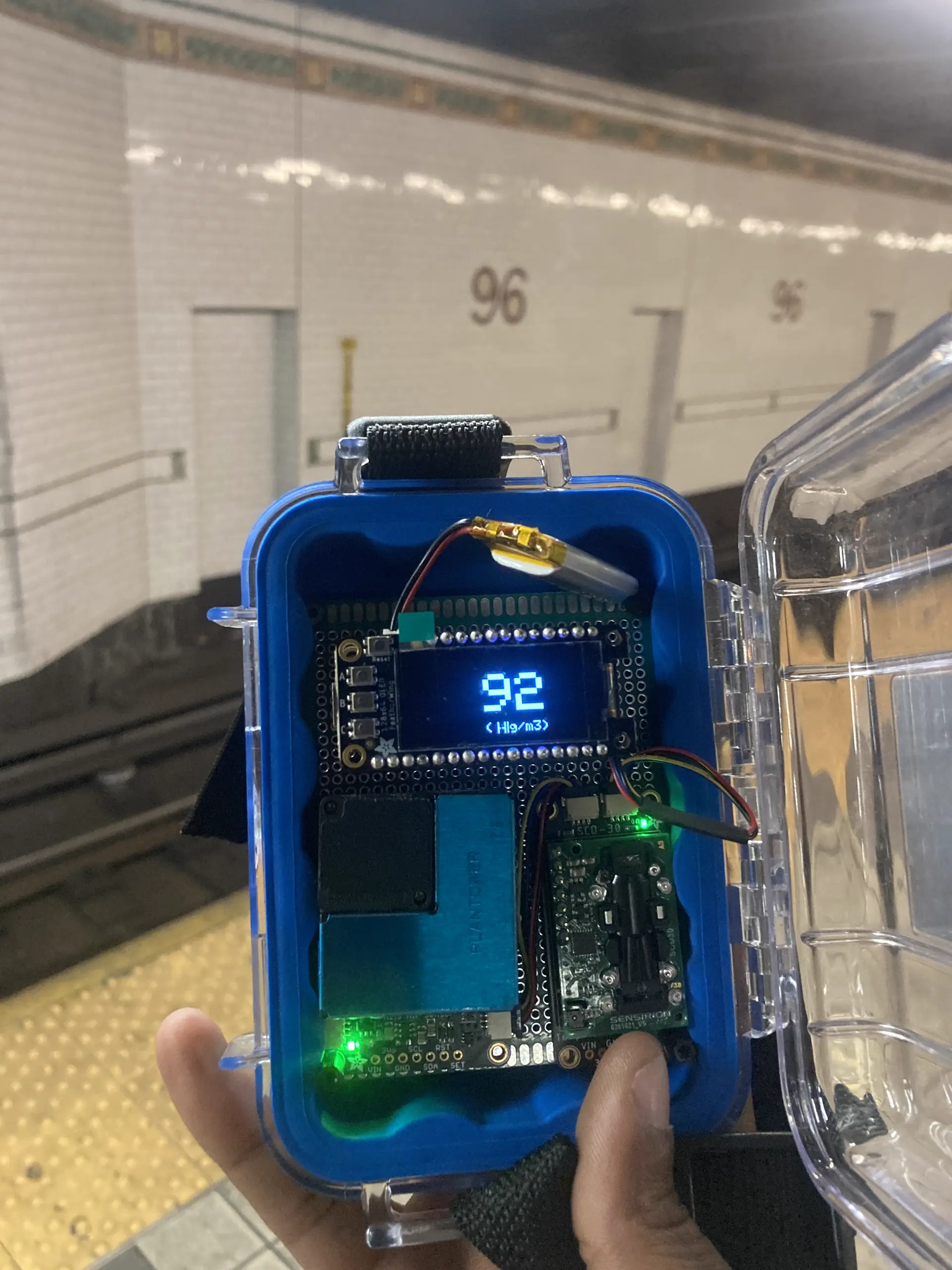
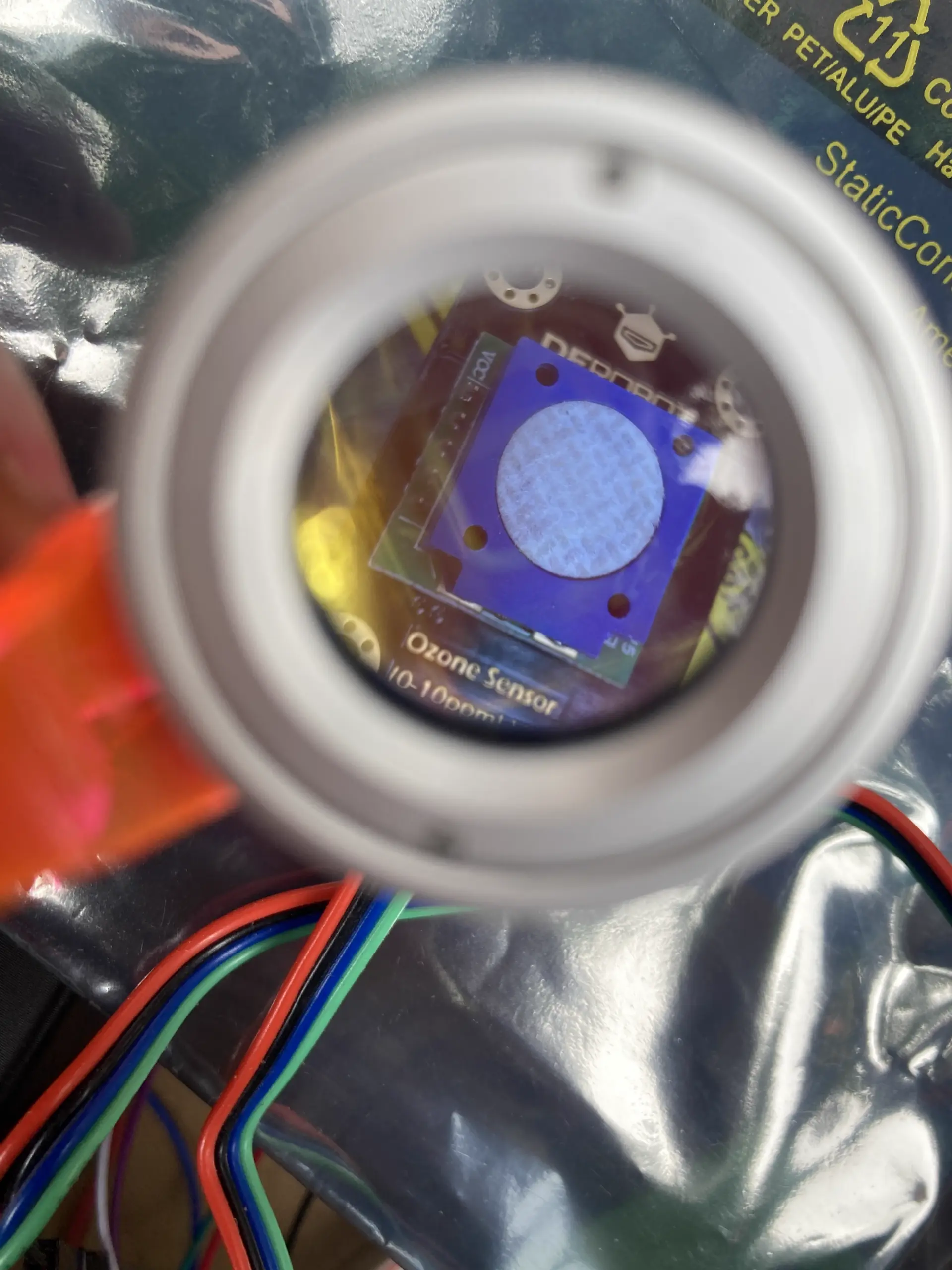
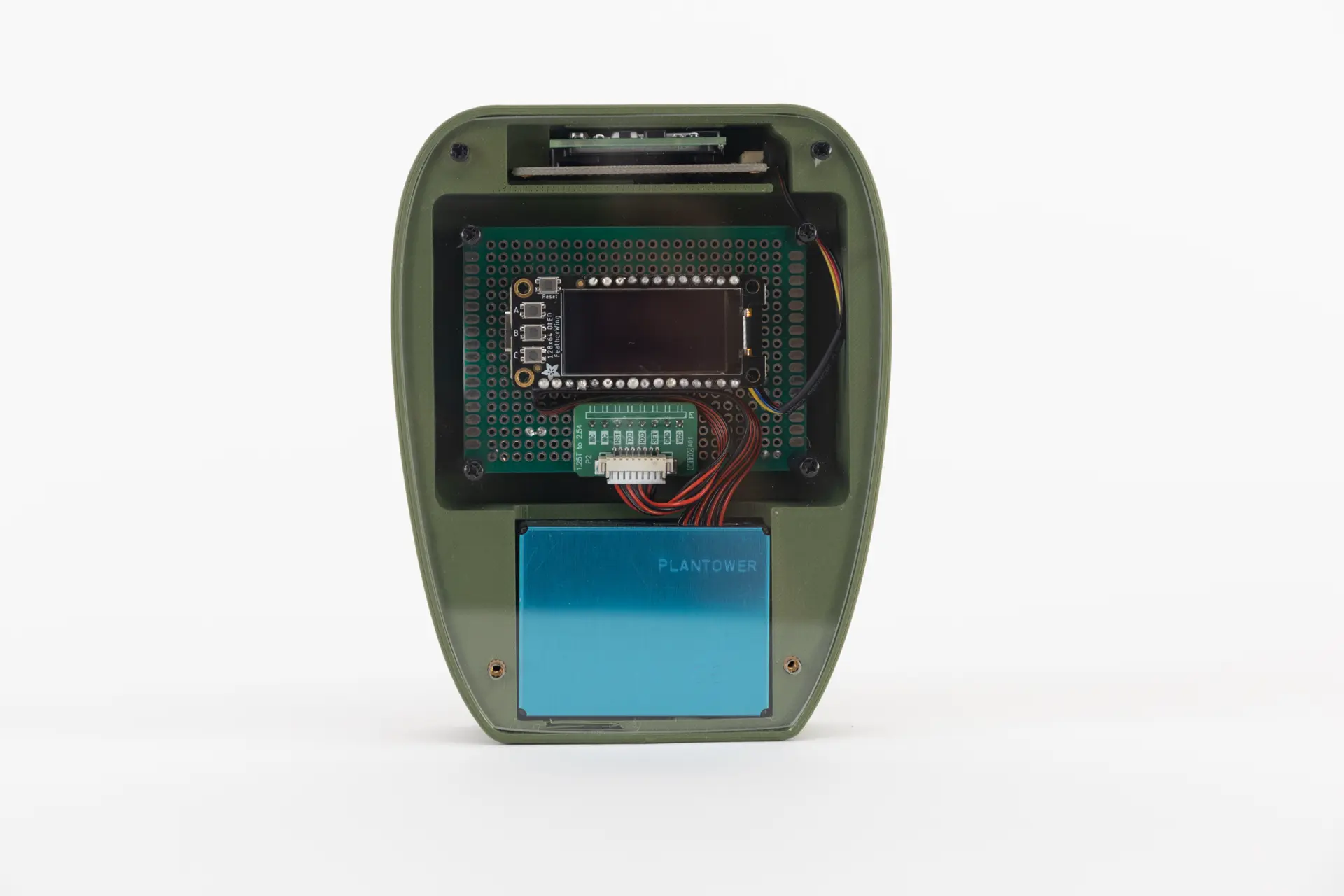
I've seen this play out through projects I've led in Salt Lake City and New York City. The devices I build are compact, cost-effective, and designed to collect high-resolution data. They're built for specific purposes, for specific human needs. The data they generate is designed to support something that rarely shows up in the standard toolkit: moments of reflection. Don't just accept "Here's what the air looks like". Take a step toward "Here's how your choices shape the air around you, and how that air shapes you back." The result is lived data that you can act on, not data that simply documents and moves on.
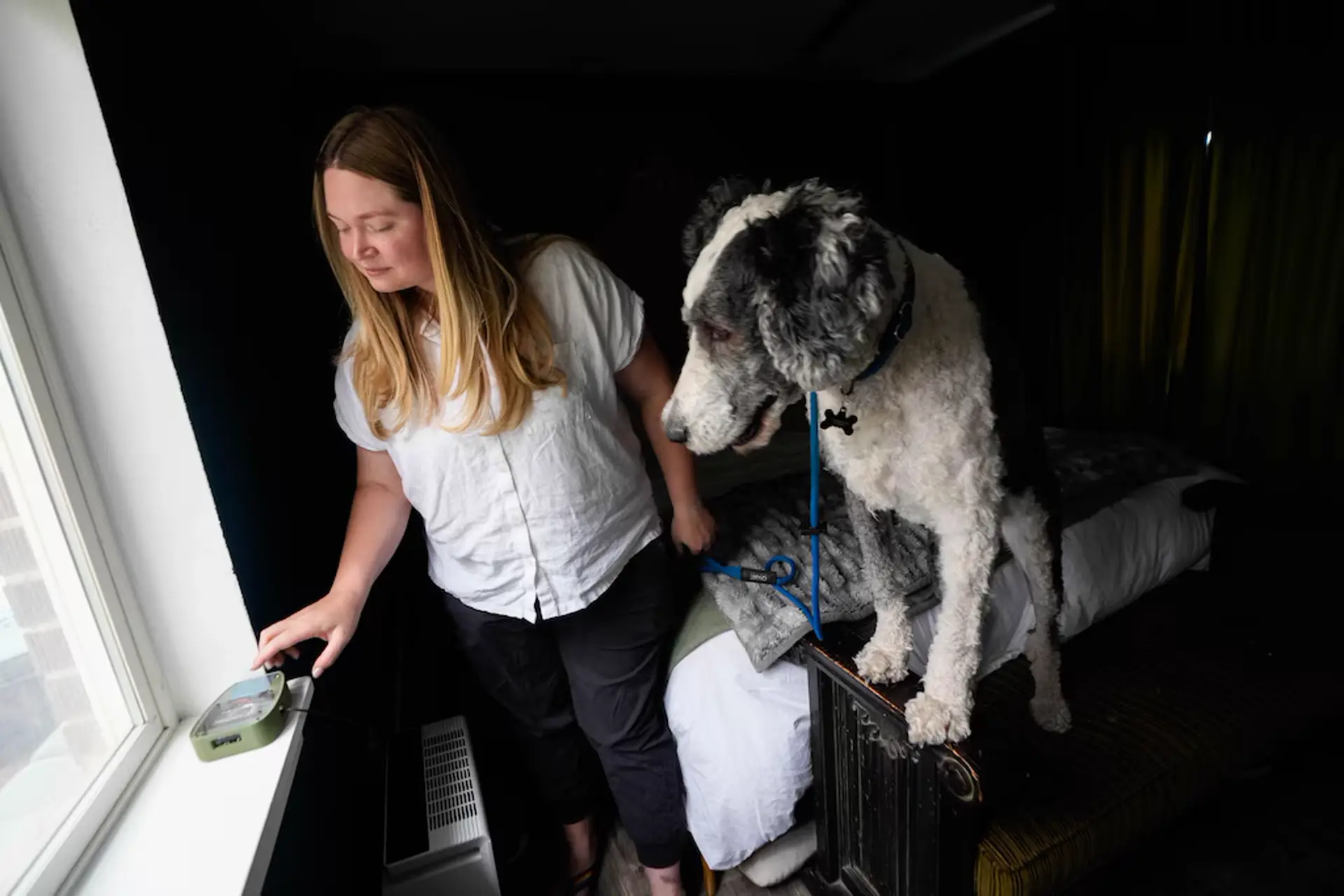
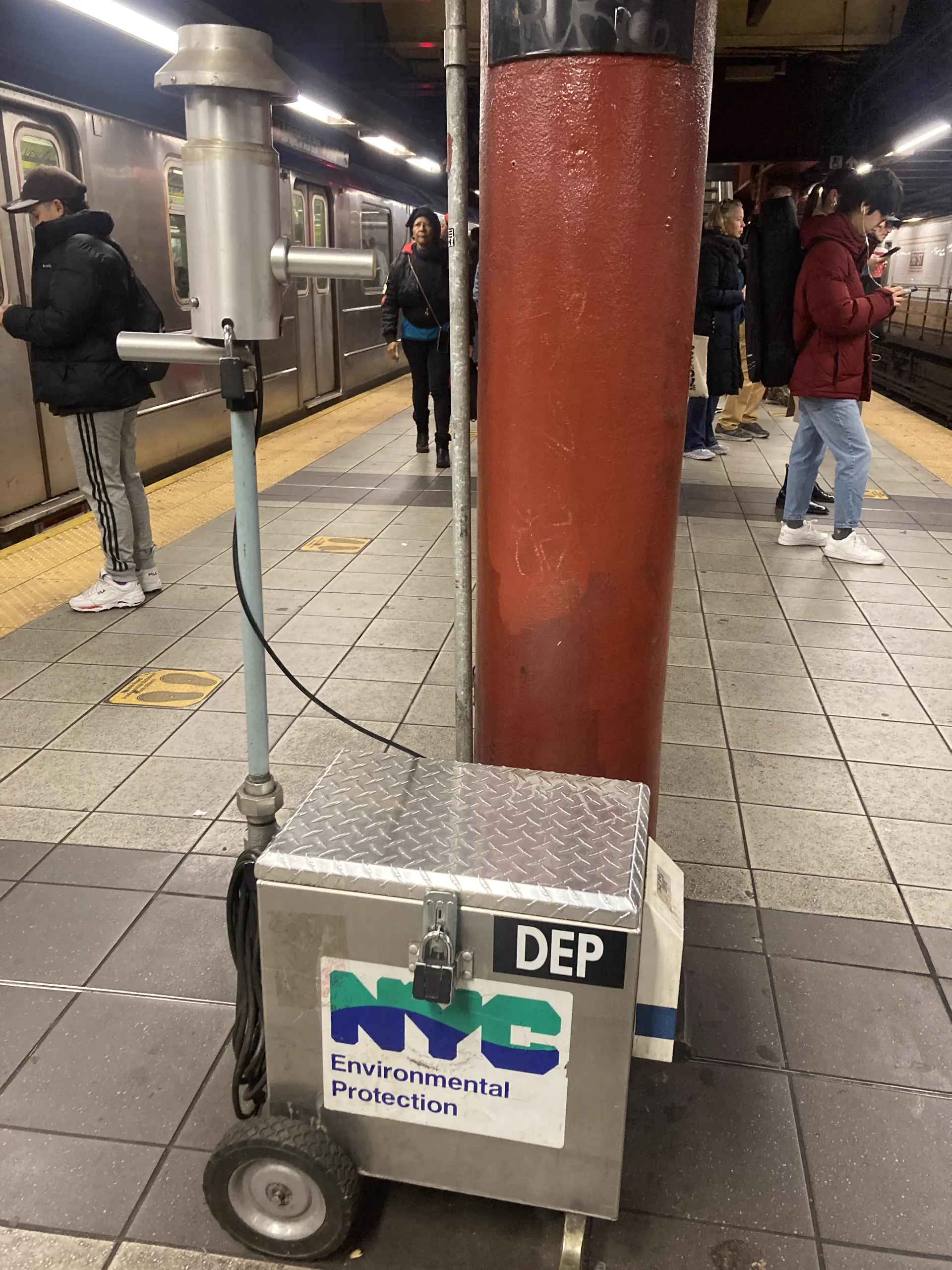
What follows are insights from air monitoring projects I've designed in Salt Lake City and New York City, where I measure and analyzed data, as well as prompting people to connect their daily rhythms and habits to the air quality around them. Projects where numbers are just as important as experiences. The anecdotes matter as much as the measurements.
Takeaways
🔄 Familiarity stabilizes perception Continuous data reshapes attention through repetition. Fluctuation becomes rhythm: predictable cooking spikes, slow CO₂ drift, smoke finding its way inside. Over time, surprise gives way to anticipation. Air stops feeling like an ambient threat and starts feeling like a system with timing — something you can read, and eventually predict.
👁️ Legibility comes from sequence, not magnitude Repeated events organize perception around pattern and duration. Short, recurring episodes — burners turning on, long calls, smoke drifting in — develop recognizable signatures. Meaning builds through alignment across days and routines. How severe something is matters less than how recognizable it becomes. The more patterns settle into memory, the easier interpretation gets.
📖 Numbers need narrative to become useful Graphs are traces of lived activity — but only once anchored to context. Peaks and valleys start to align with behavior, building causal intuition through timing and association. People stop optimizing and start reasoning: what's happening now, and what tends to follow? Data becomes usable once it's read as an evolving story rather than a static snapshot.
🎛️ Agency follows visible feedback Once people can see how their ordinary actions shape indoor air, behavior shifts. Well-timed interventions fit naturally into routine and outperform constant vigilance. Trade-offs surface on their own — running filtration while CO₂ climbs, noticing how much the kitchen dominates air quality, watching the body acclimate faster than conditions change. Framed as a dynamic system, air stops being something that happens to you. It becomes something you participate in.
🌱 The individual is the first step, not the last. Personal connection to air quality data is a prerequisite for collective action, not a substitute for it. People don't rally around abstract pollution statistics. They act when they understand what's happening in their own space, on their own terms. Individual awareness builds the foundation. But the more people develop that intimacy with their own air, the more possible it becomes to recognize shared patterns, shared causes, and shared solutions. The data starts local. The implications don't have to.
🤝 Your body knows things the sensor doesn't Sensors are tools, not authorities. They measure what they're built to measure — particulates, CO₂, VOCs — but they can't tell you how you feel. Headaches, disrupted sleep, fatigue, a vague sense of heaviness: these are data too. The best results come from treating the sensor and the body as collaborators. The device gives you precision and continuity. Your body gives you context and consequence. Neither one tells the whole story alone.
Ongoing Research
Reading indoor air turned is about sorting signal from feeling, not mastering instrumentation. Households hosting my technology often expected a steady air themes like "good" and “bad”, shaped by typical pollution narratives. Instead, what they encountered was variability and trade-offs requiring judgement to feel out.
This is an ongoing project, and an expanding one. The air we breathe is bound up with the changing climate we're all navigating. At a certain point, waiting for systemic solutions isn't enough. You have to start where you are.