01.

Bacterial Leaf Scorch and Xylella Fastidiosa

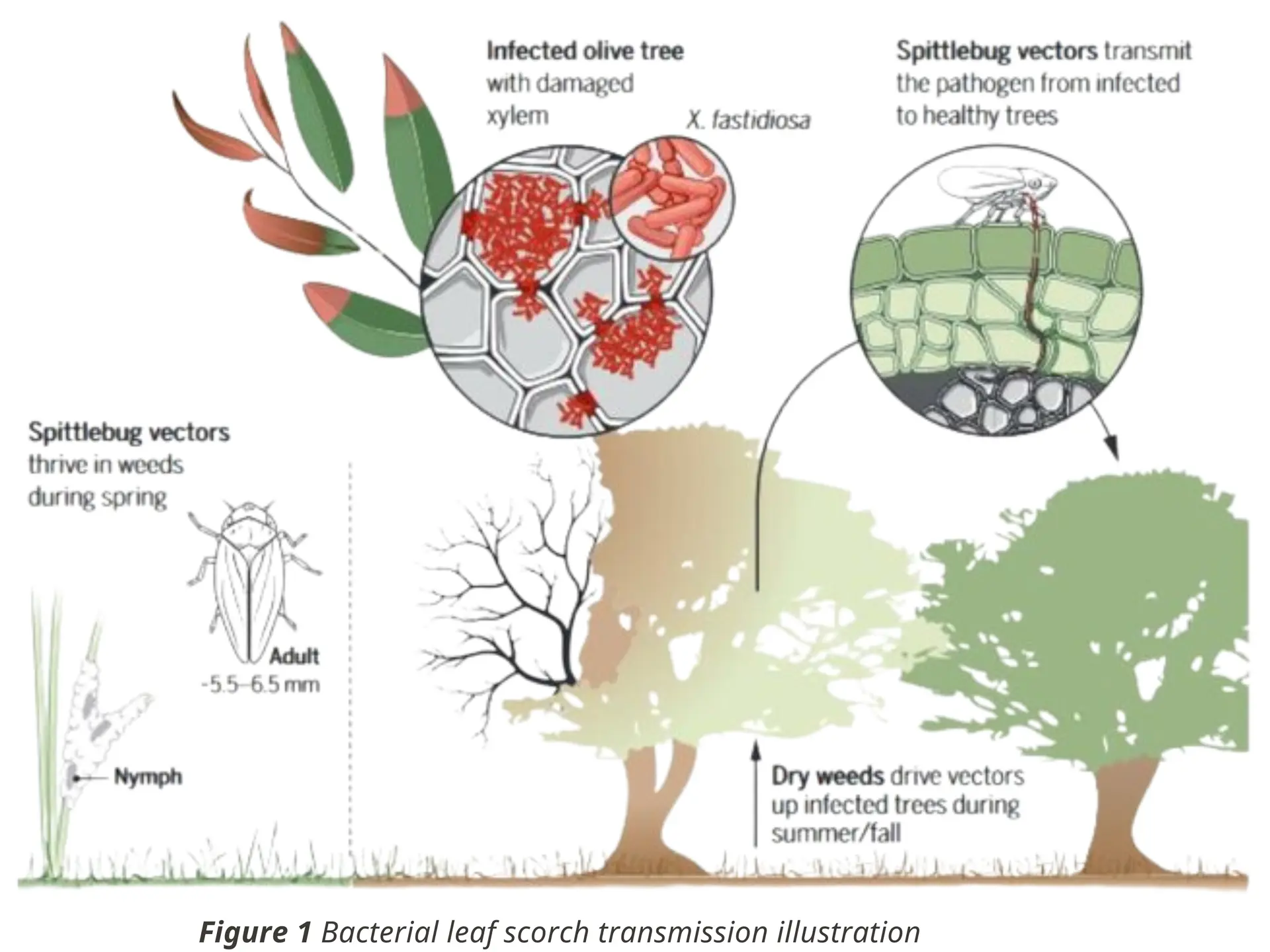
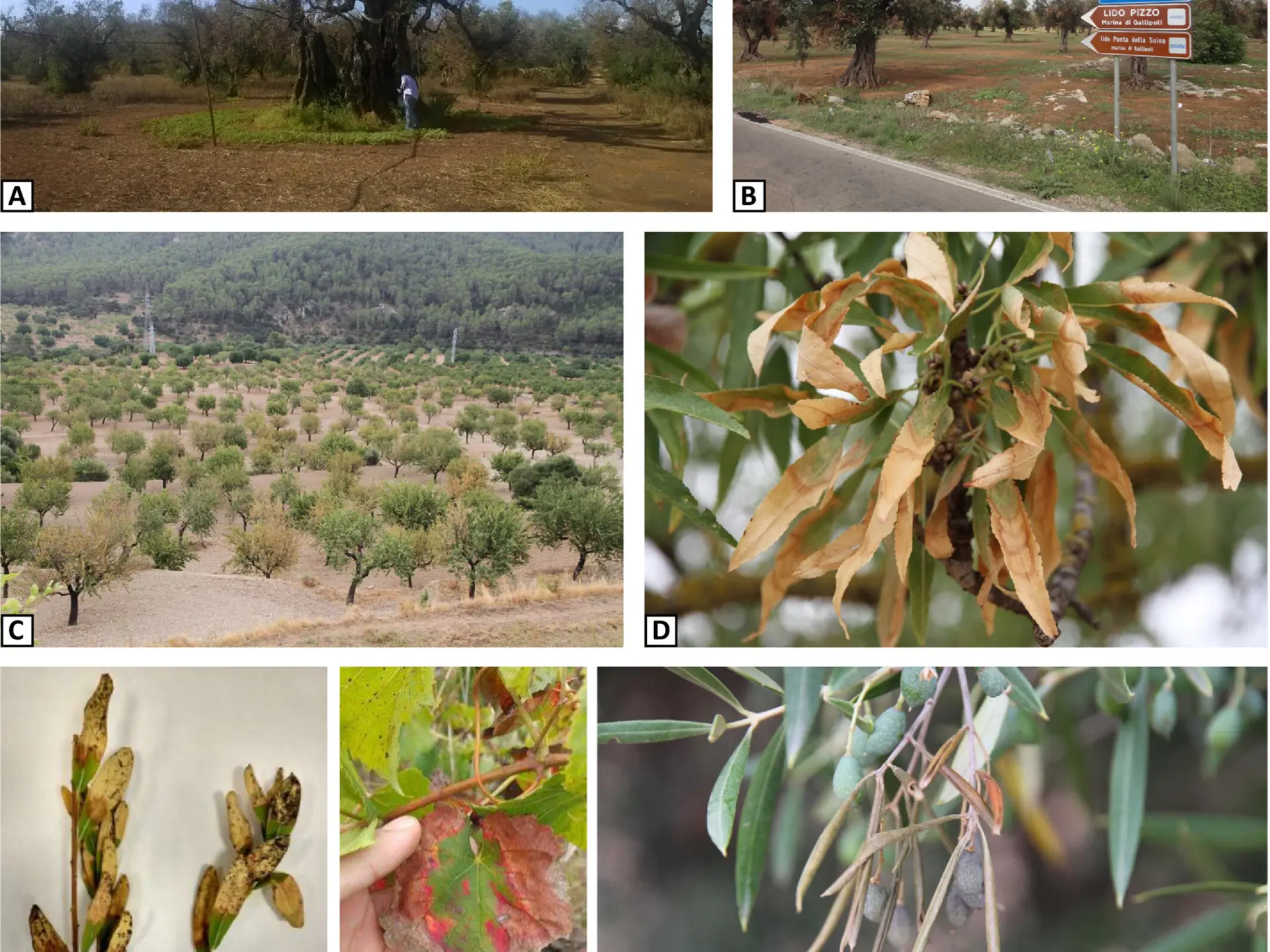
Bacterial Leaf Scorch (BLS) is a plant disease caused by the bacterium Xylella fastidiosa. It poses a growing threat to vegetation by forming harmful biofilms that block water and mineral pathways and resist plant immune defenses. BLS impacts plants, trees, and crops, causing reduced agricultural yields, declines in urban canopy health, and big-time economic harms for farmers.

BLS is spreading alongside the emergence of agricultural monocultures and loss of genetic diversity among plants. The experiment my labmates and I did explored how bioengineering tools can offer targeted and sustainable solutions to plant diseases.
.

When biological foundations are disrupted, people lose the psychic structures that help them make sense of reality.

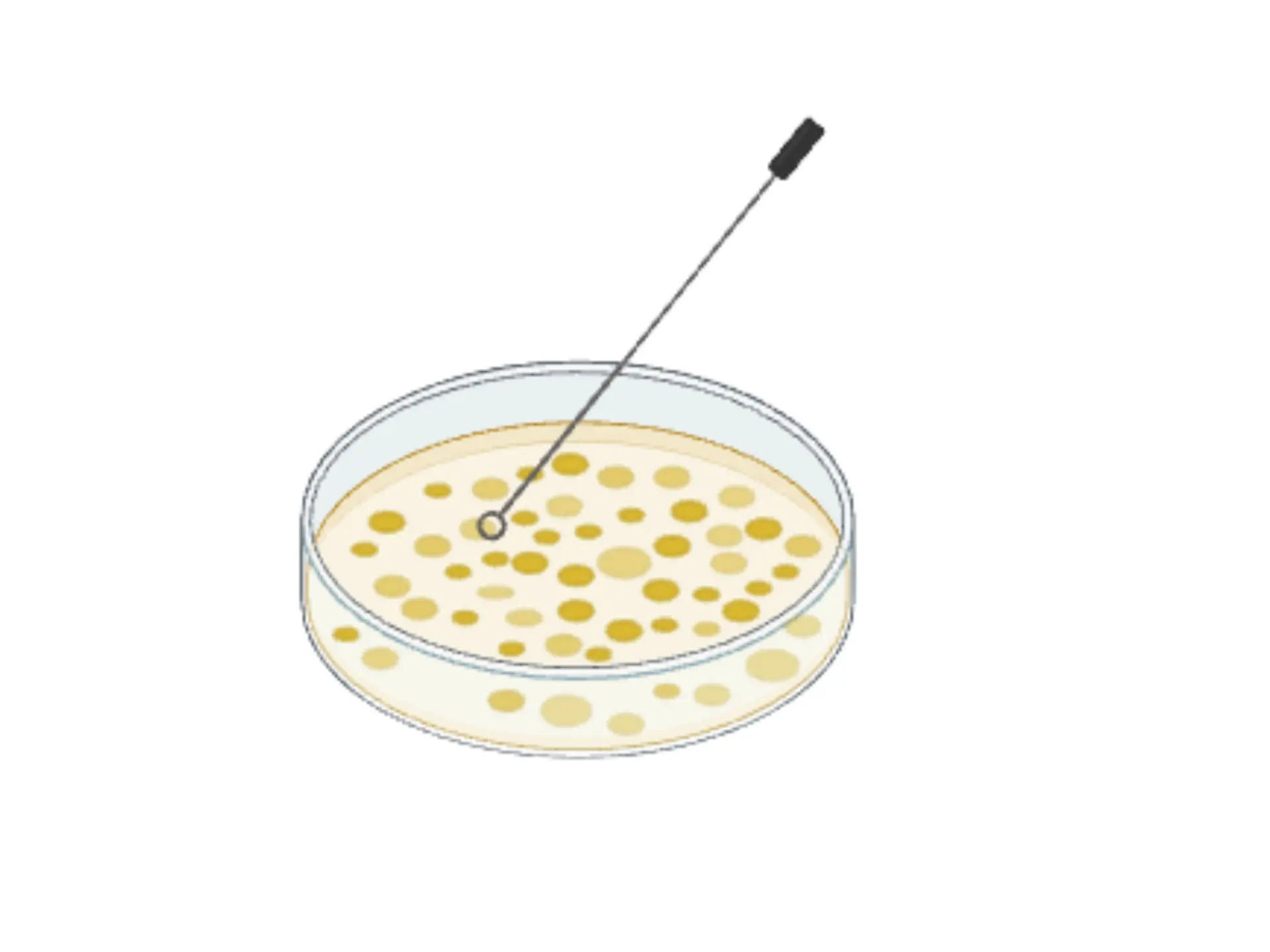
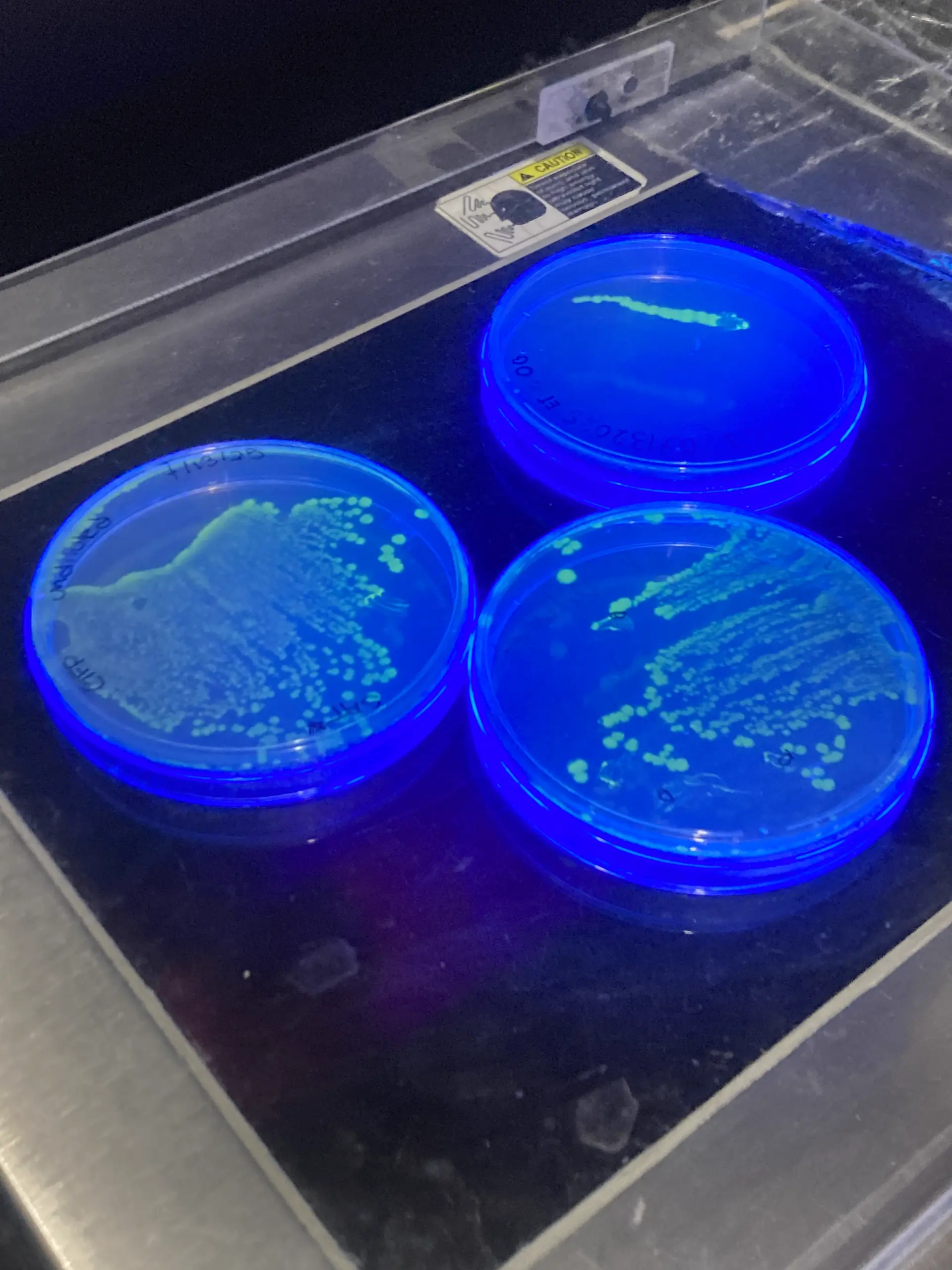
Petri Colonies
BLS Impacts

02.

Objectives

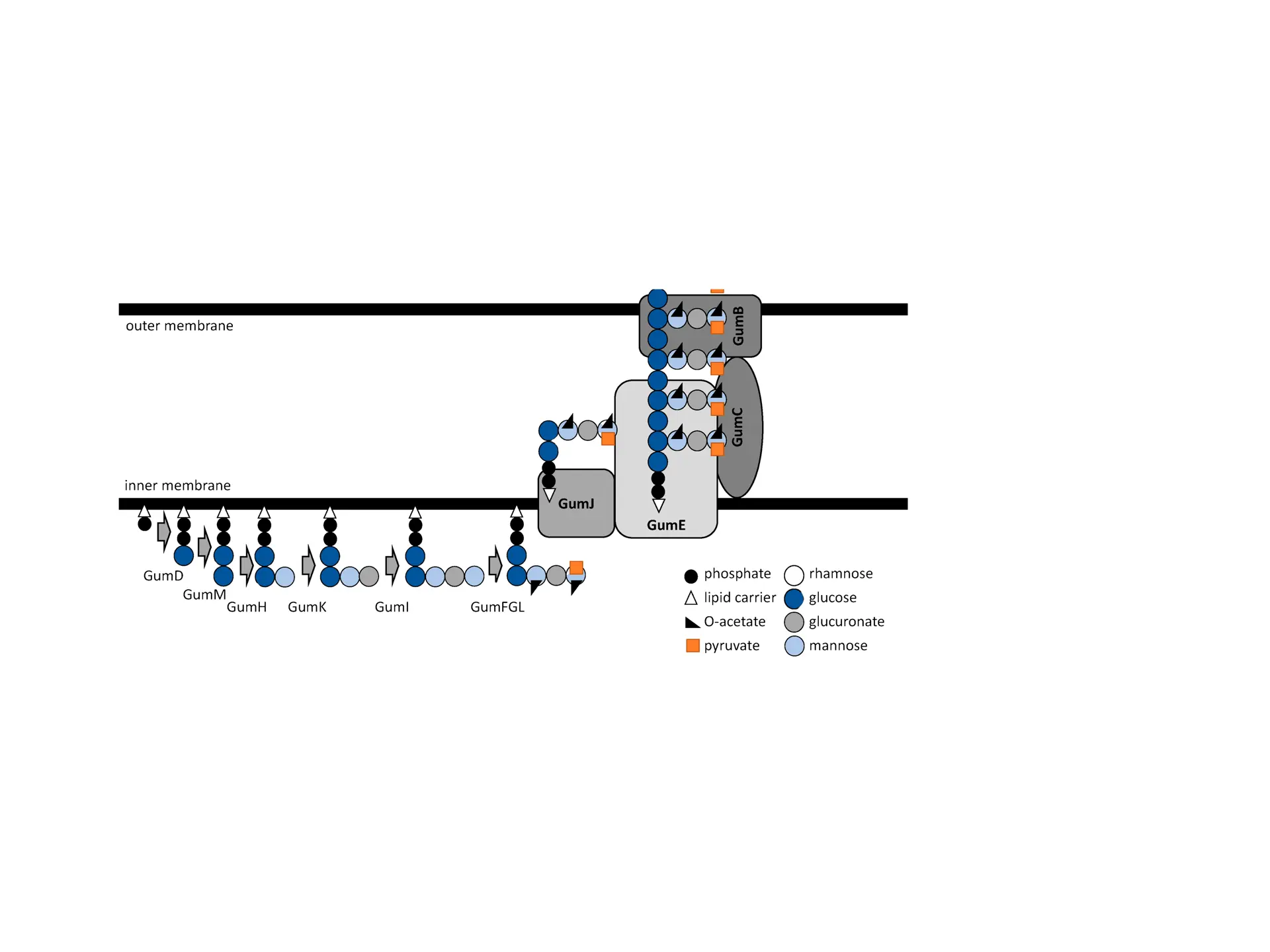
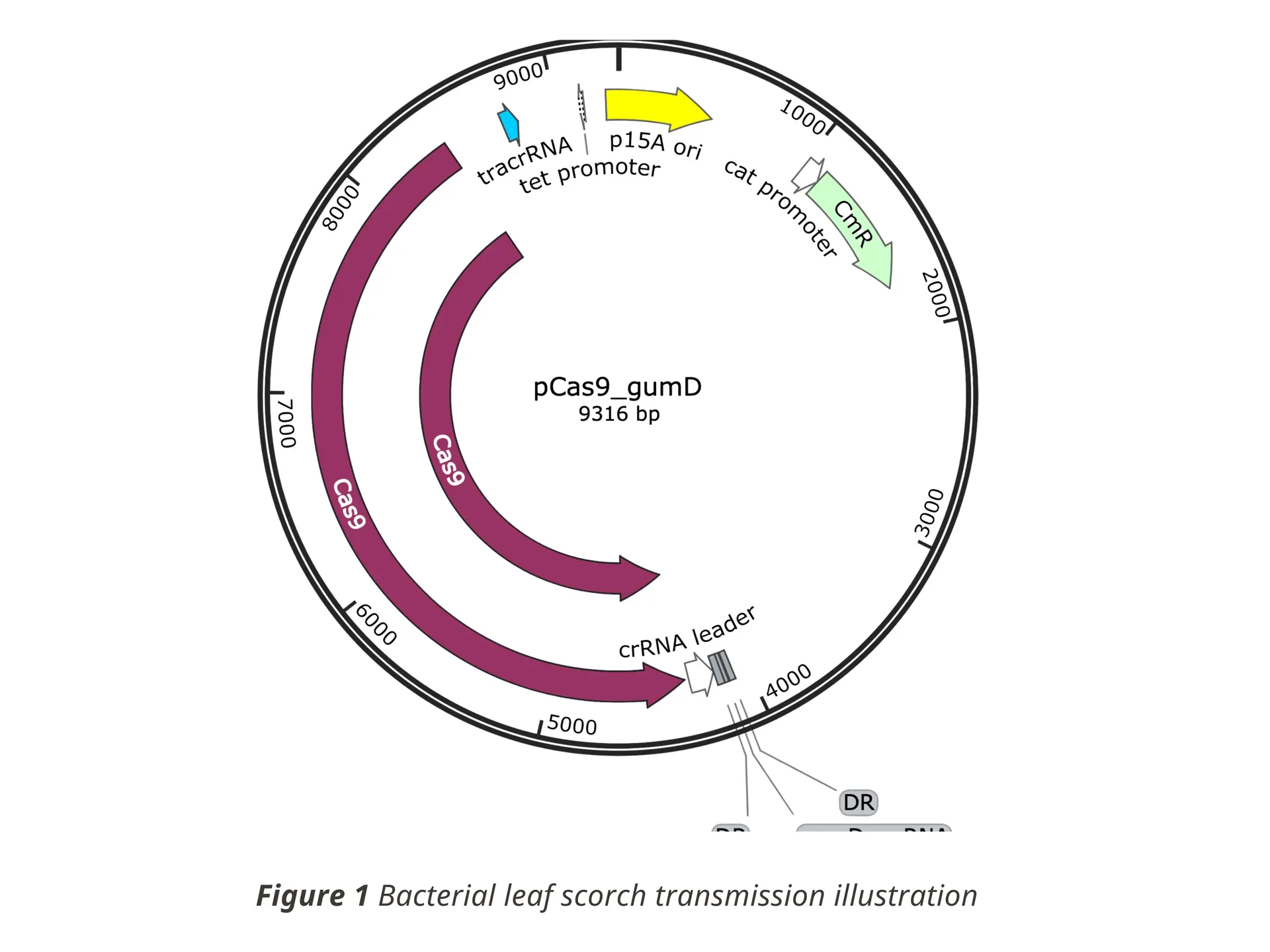
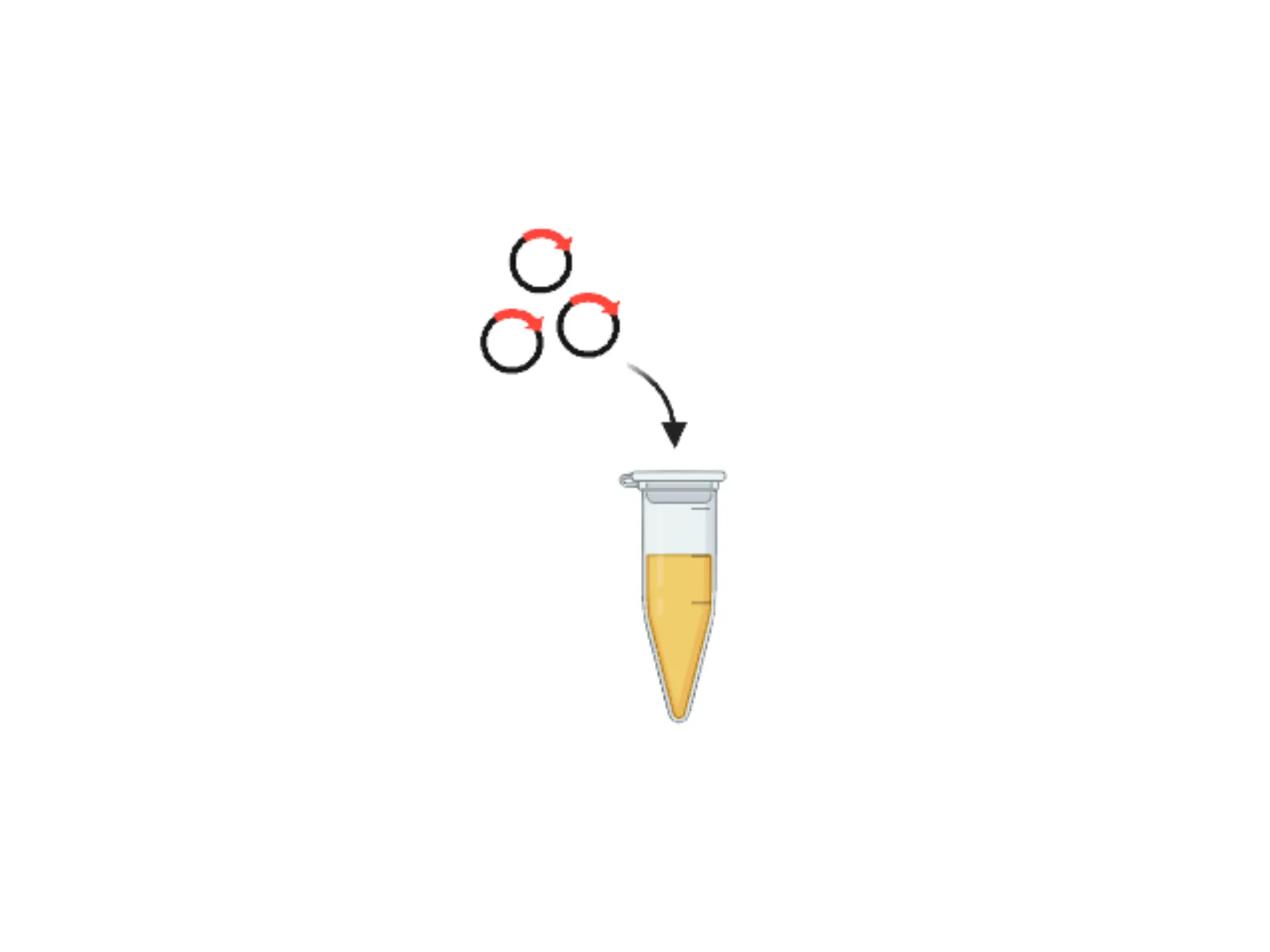
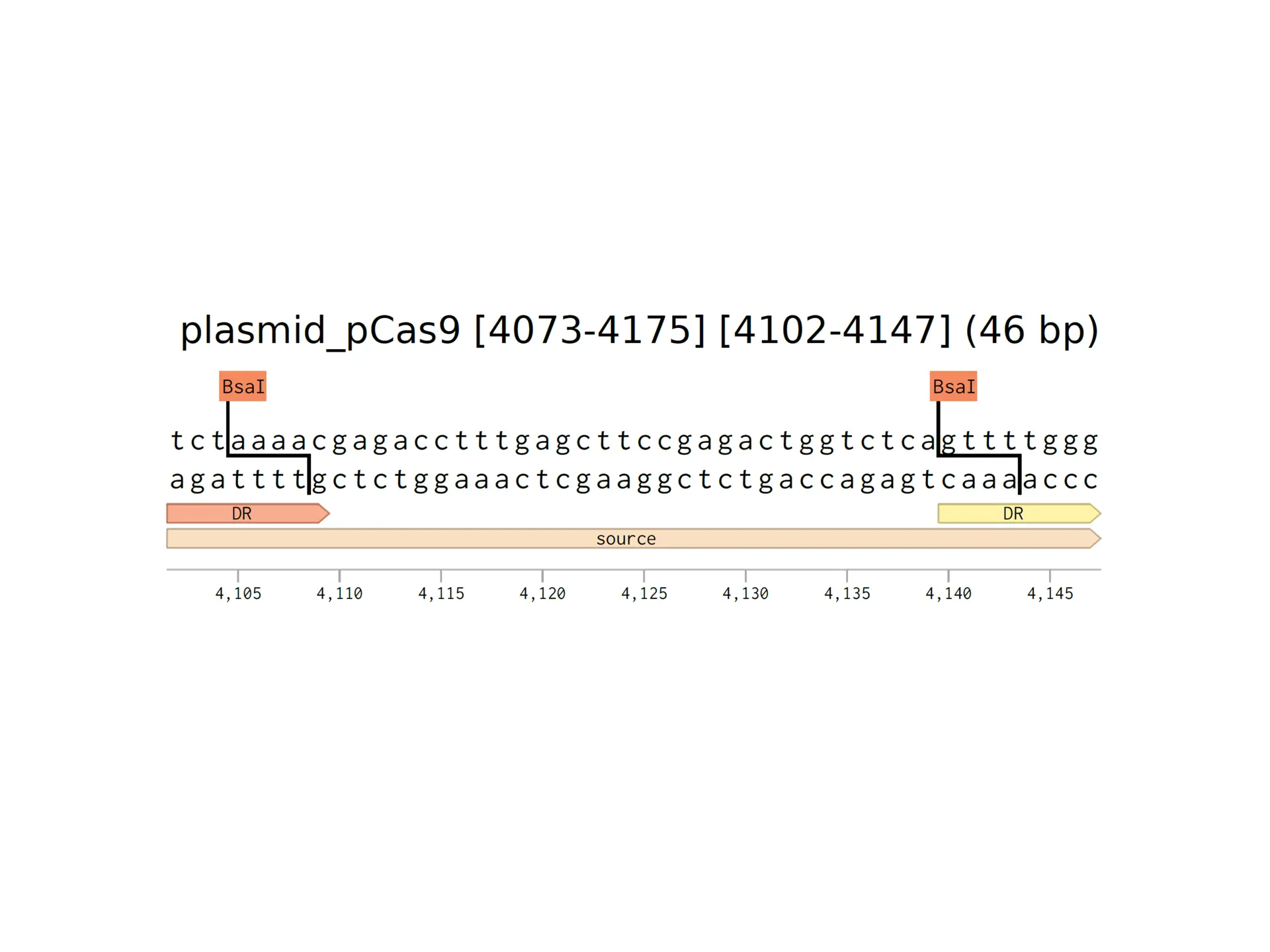
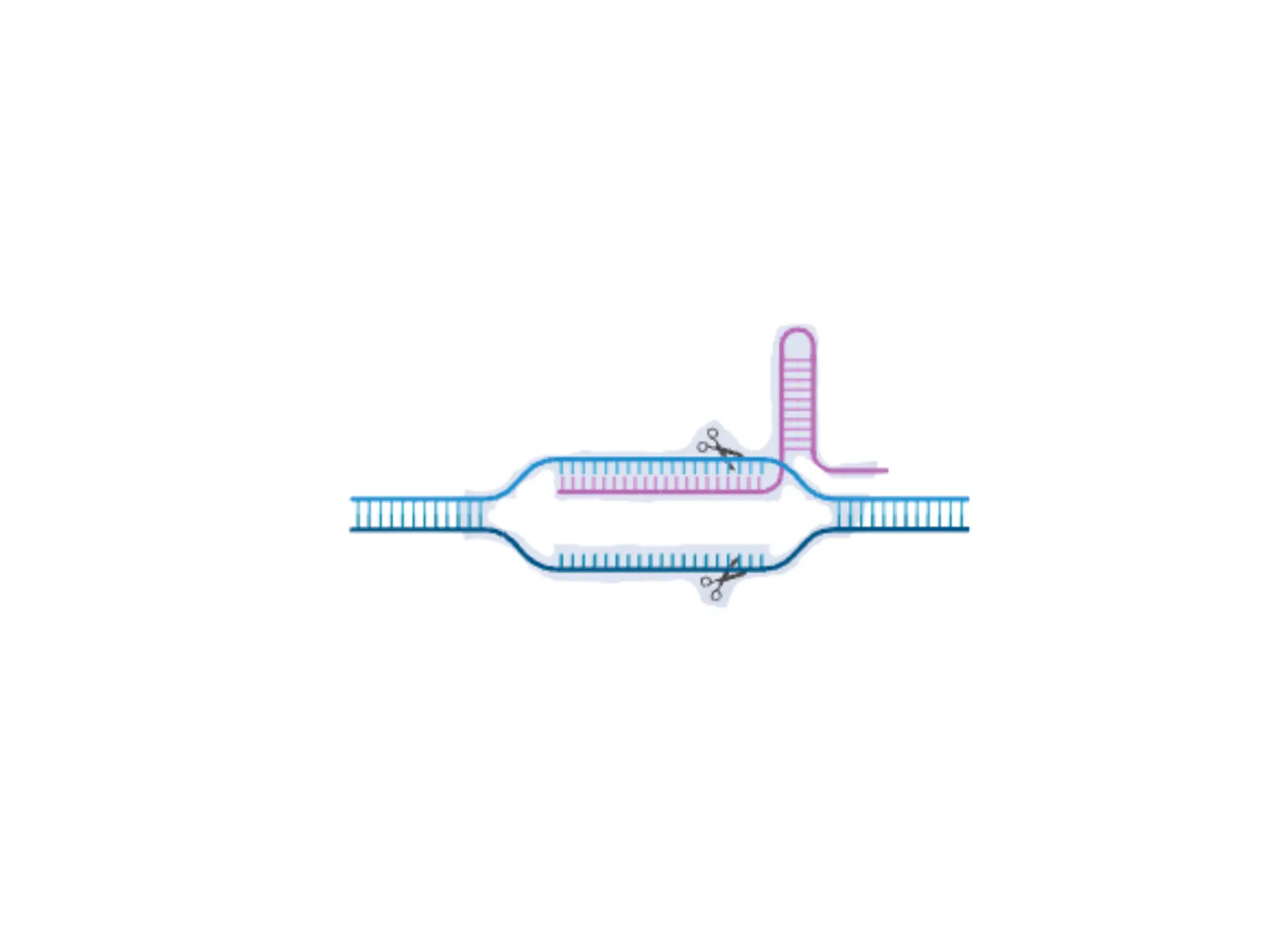
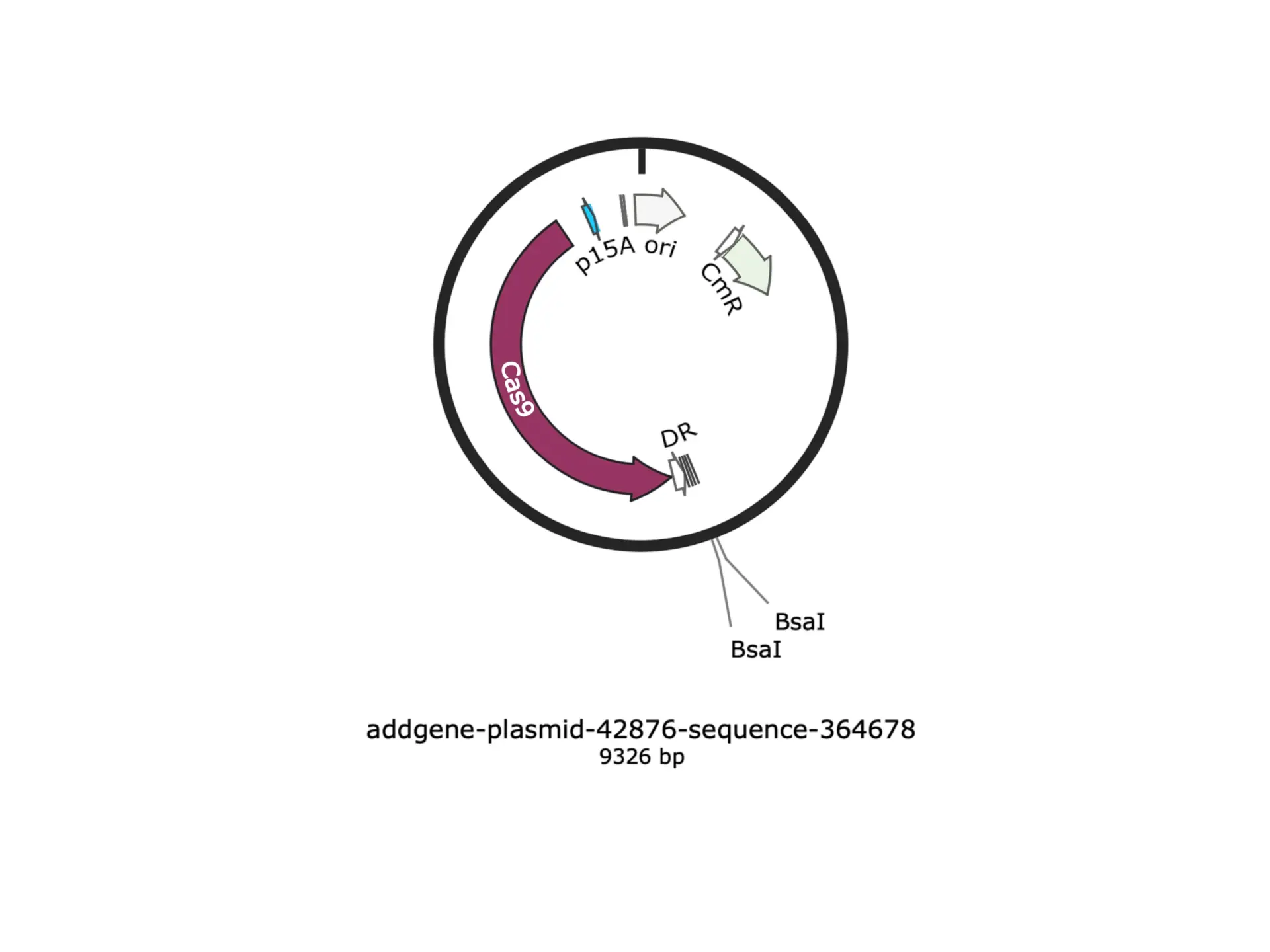
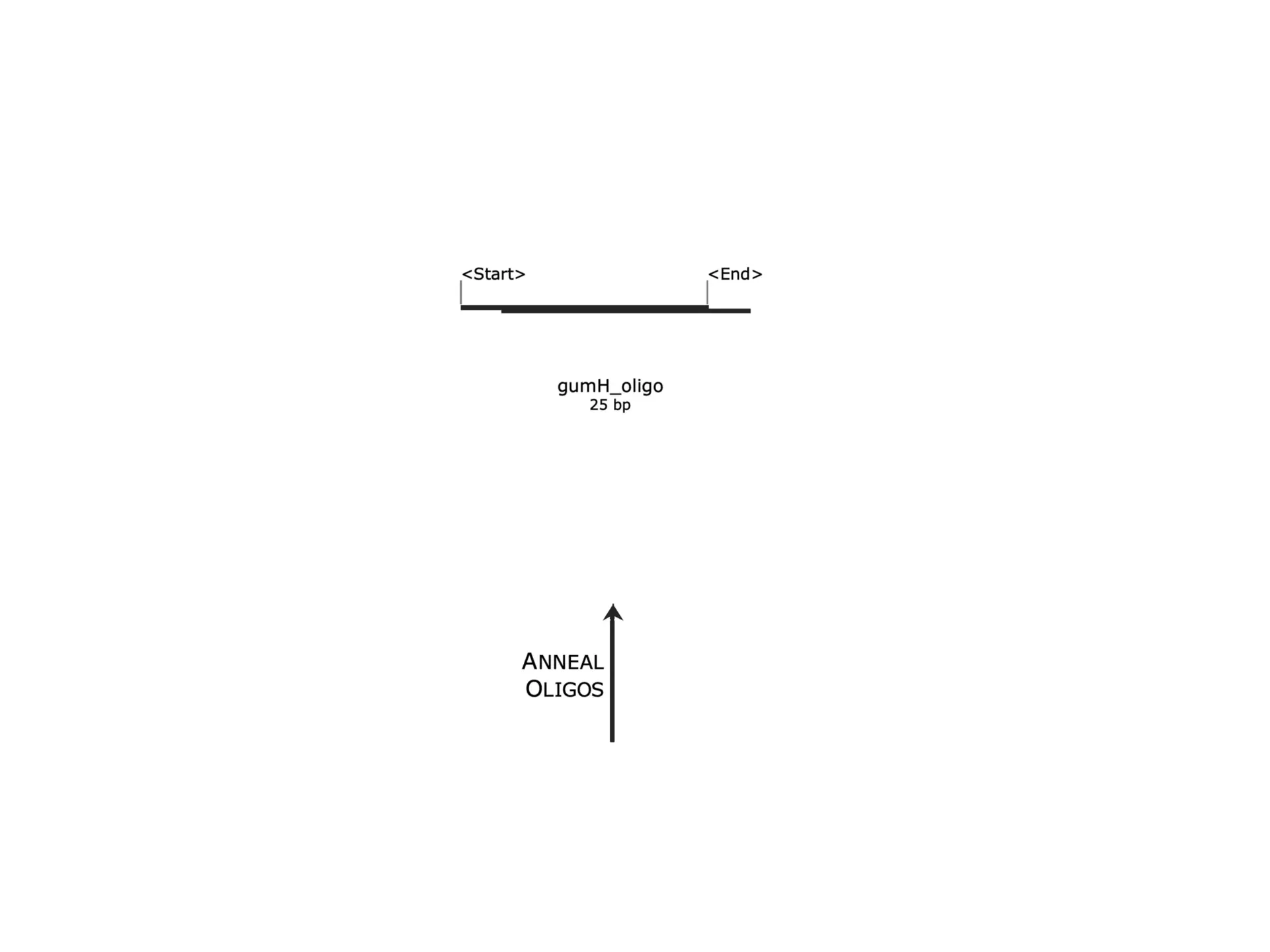
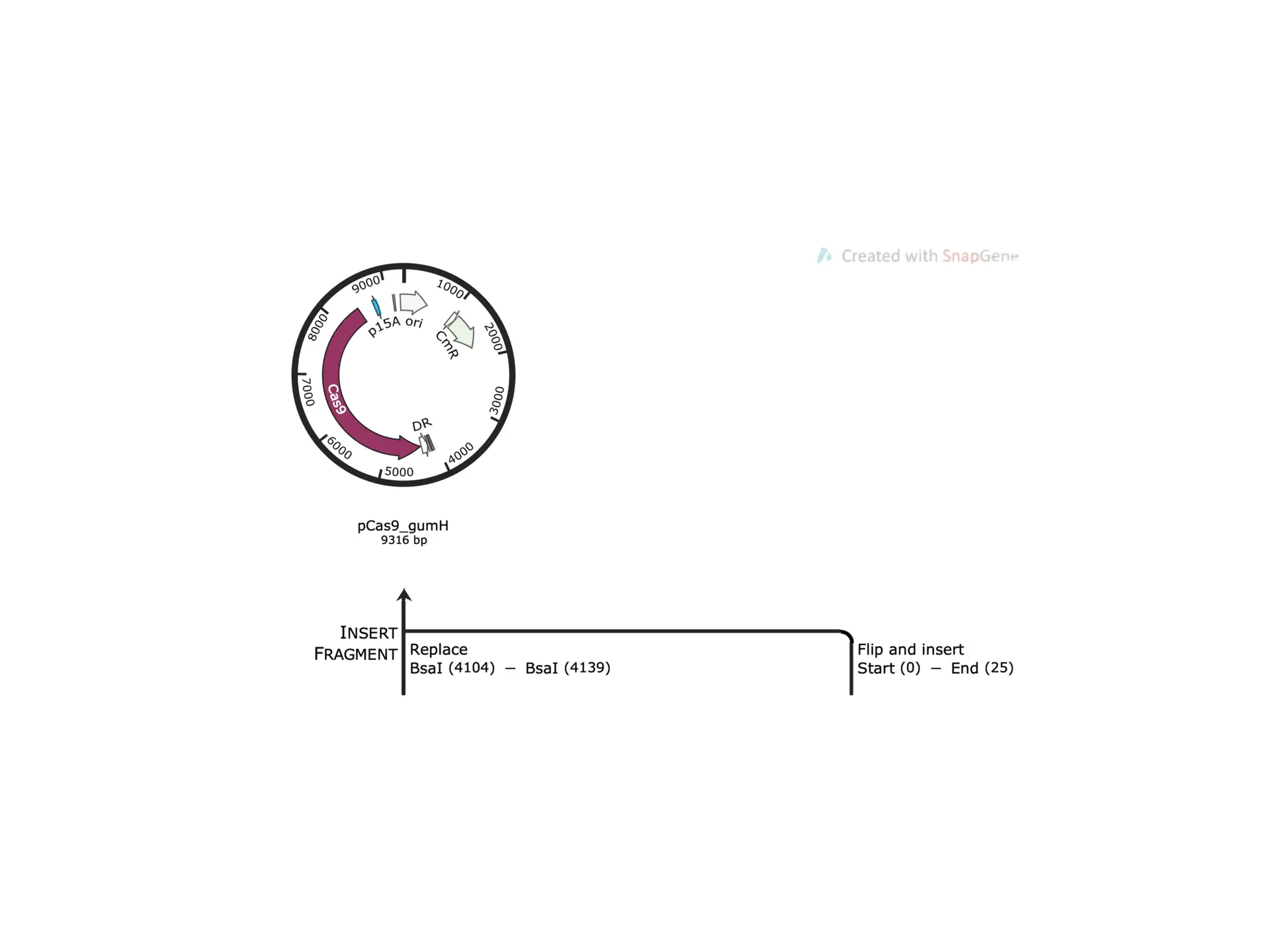
Our main tools were CRISPR-Cas9 technology. We used this biotech combination to target two genes involved in the fastidian gum biosynthesis pathway: gumD (the initiating enzyme) and gumH (the fastidian gum elongation enzyme α-1,3-mannosyltransferase). Our goal was to design a synthetic DNA fragement containing a modified plasmid with a functional CRISPR-Cas9 complex to be inserted into Xylella fastidiosa cells, inducing double-stranded breaks in the target Xylella genes. In this multistaged process, we focused on inserting DNA guide sequences into a plasmid with the CRISPR-Cas9 machinery. Understanding the X. fastidiosa lifecycle enables the successful targeting of specific enzymes and control this hardy, plant-damaging bacterium.

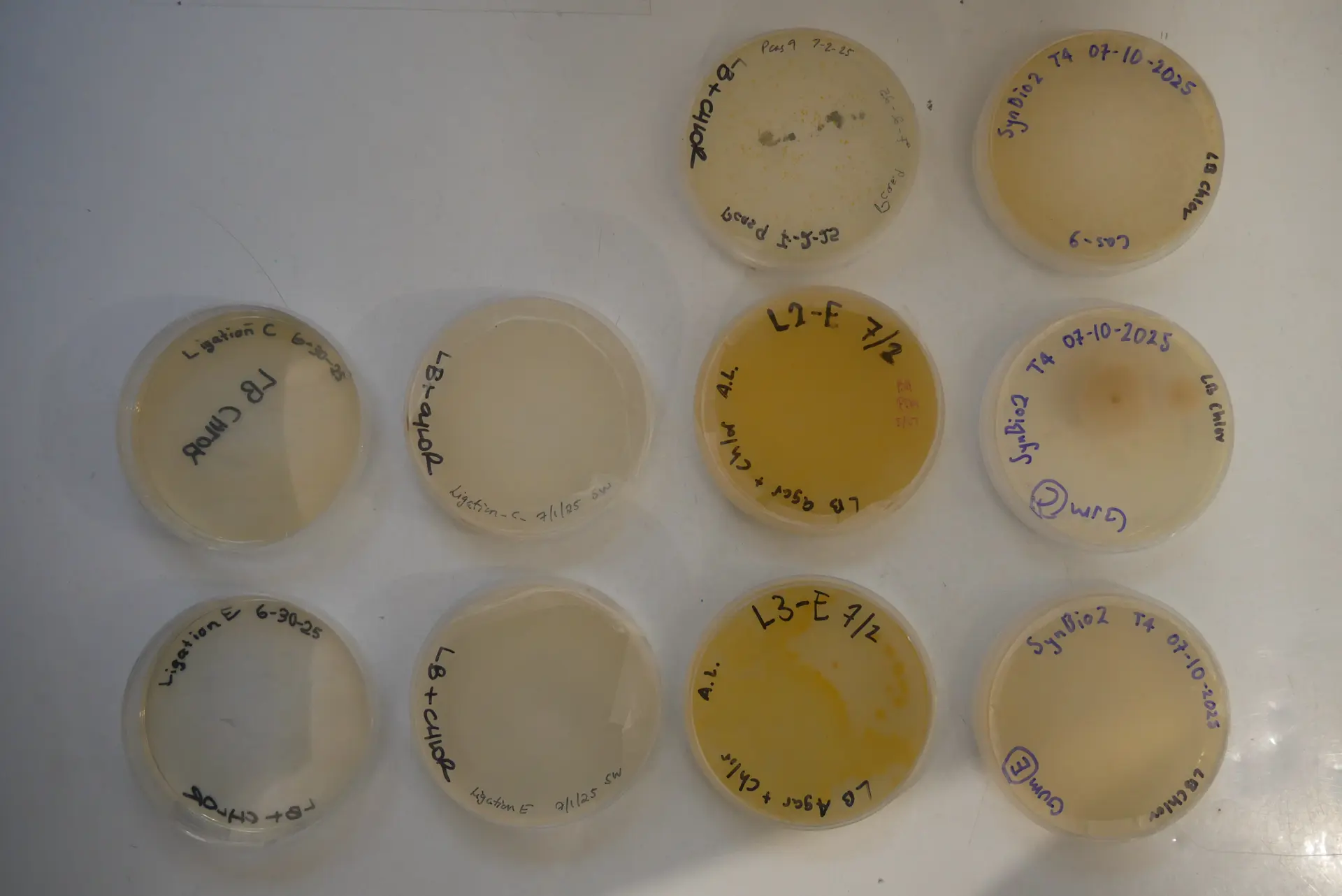
02-1 wetlab work
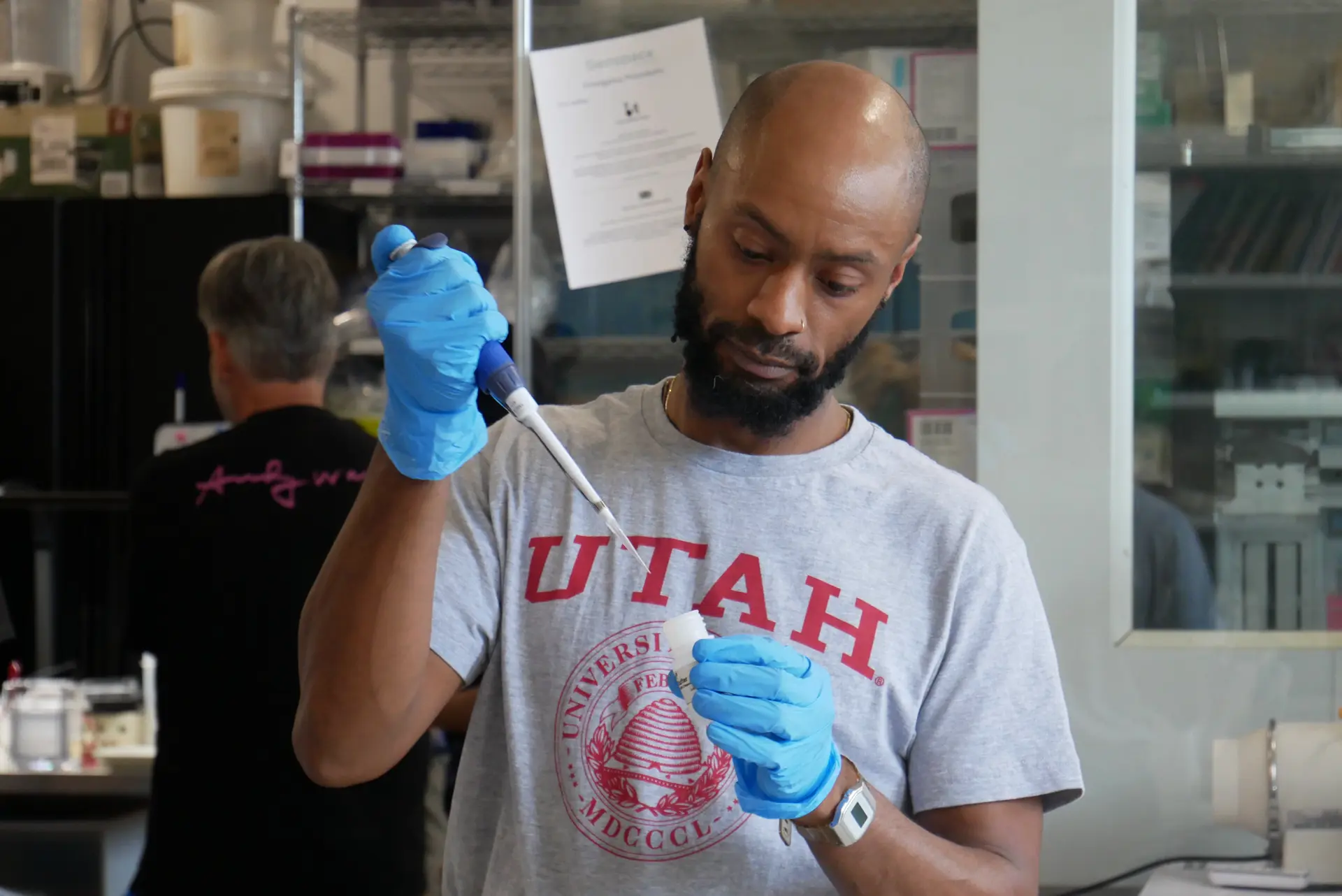
Putting in wetlab work
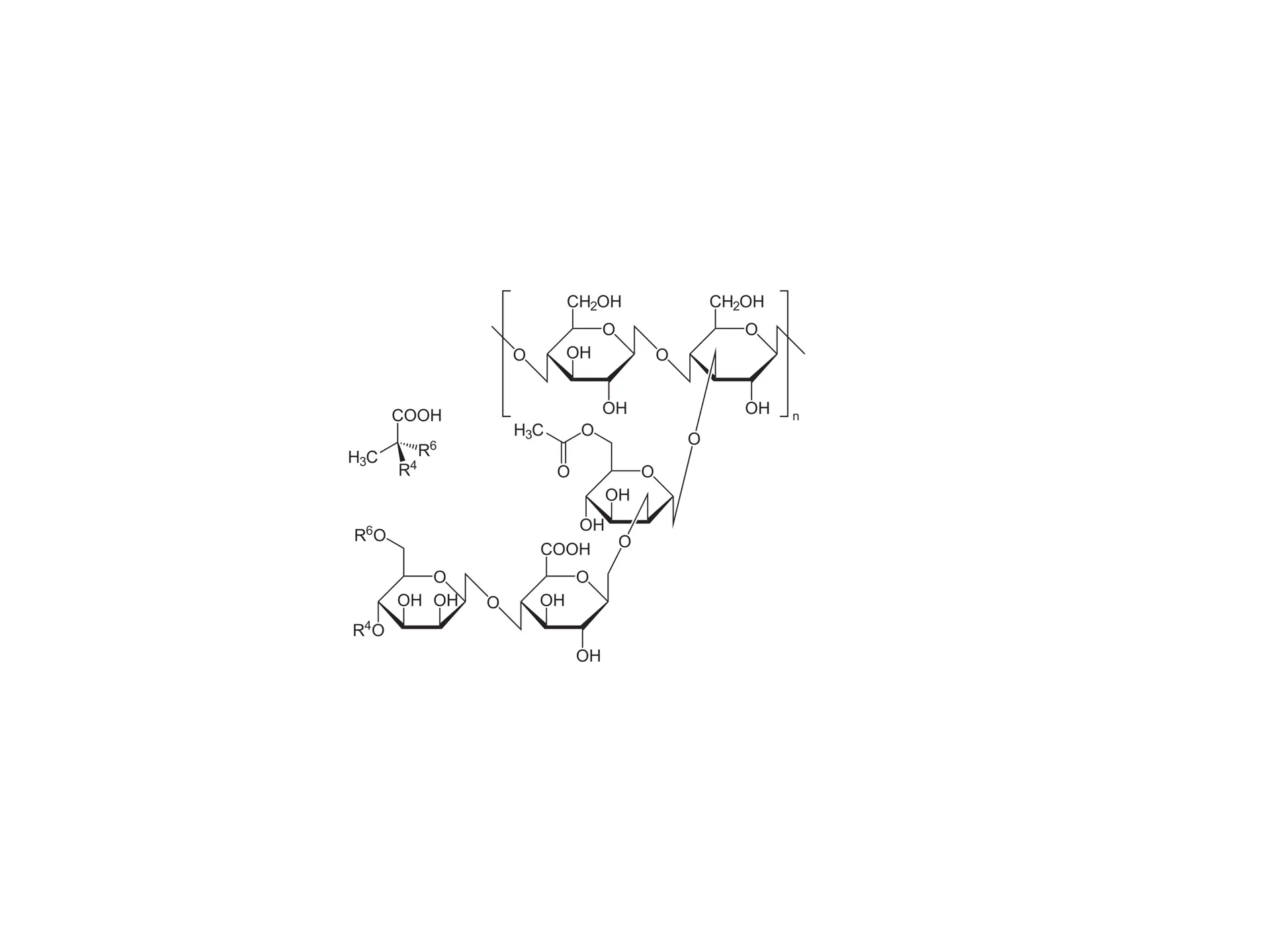
02-2 diagram
Pentasaccharide repeat comprising glucose, mannose, and glucuronic acid
02-3 diagram
Gum operon and fastidian gum synthesis

03.

Methods


04.

Results

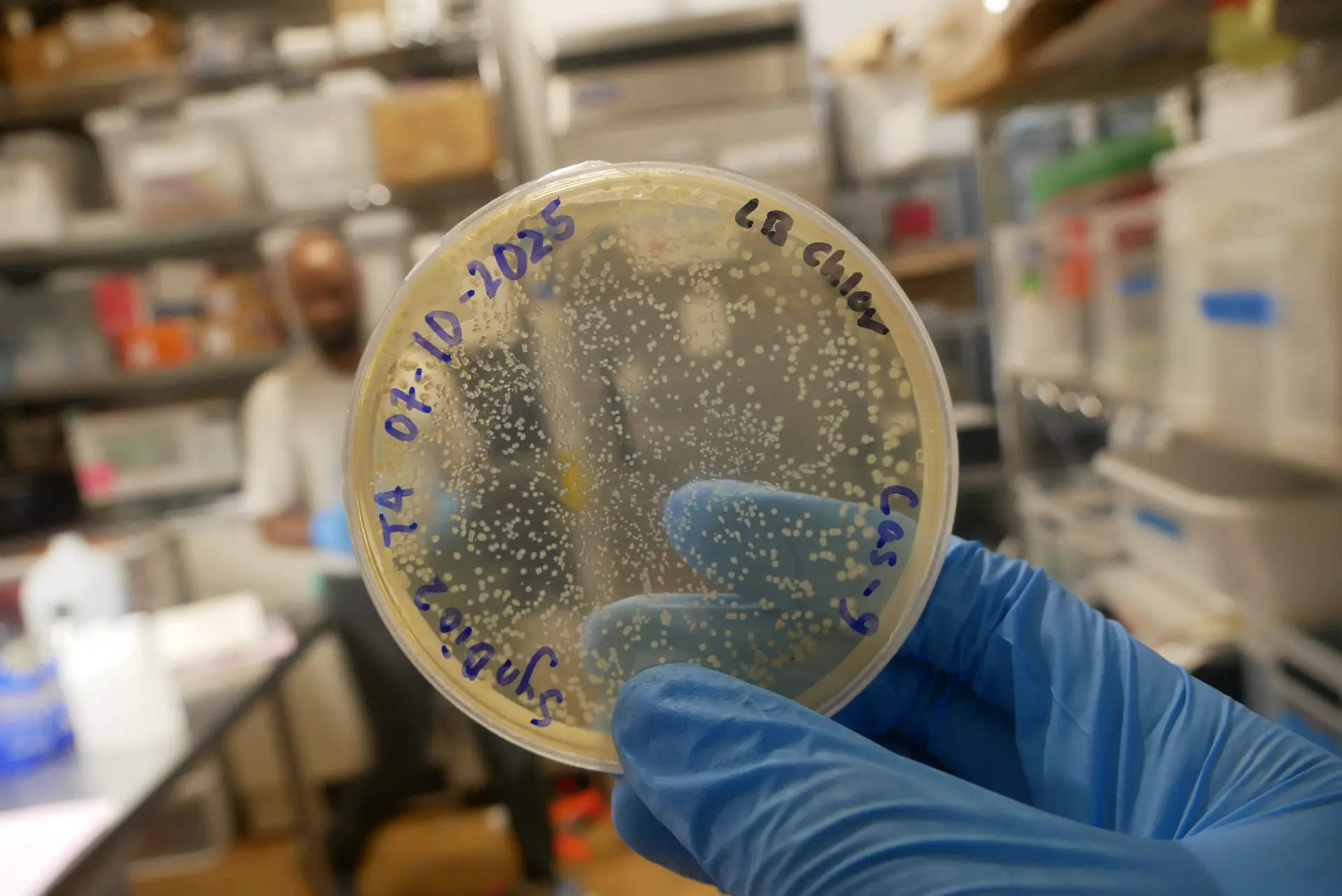
04-1 Colonies
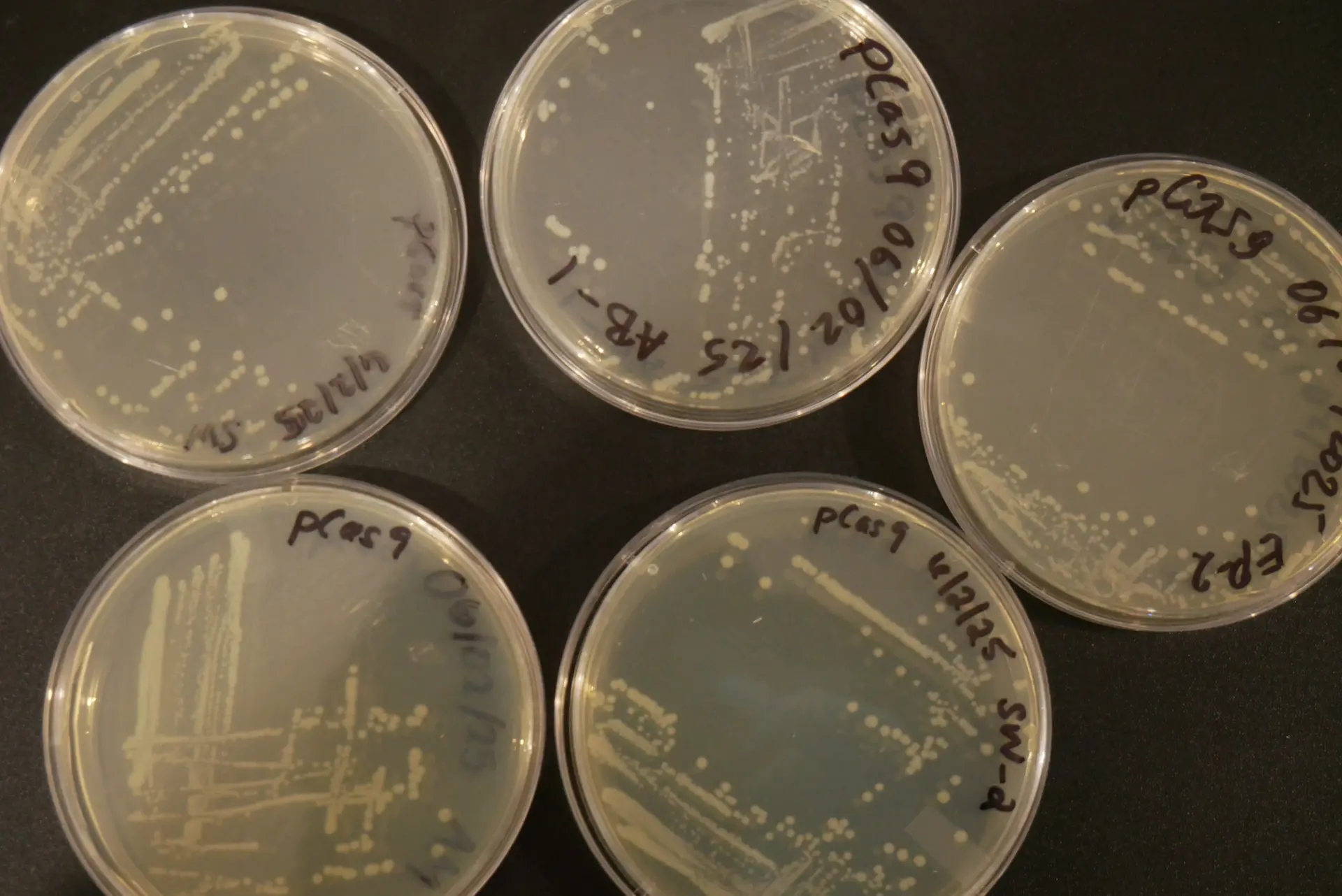
Fig. 1 — Control plate streaking (negative transformation)
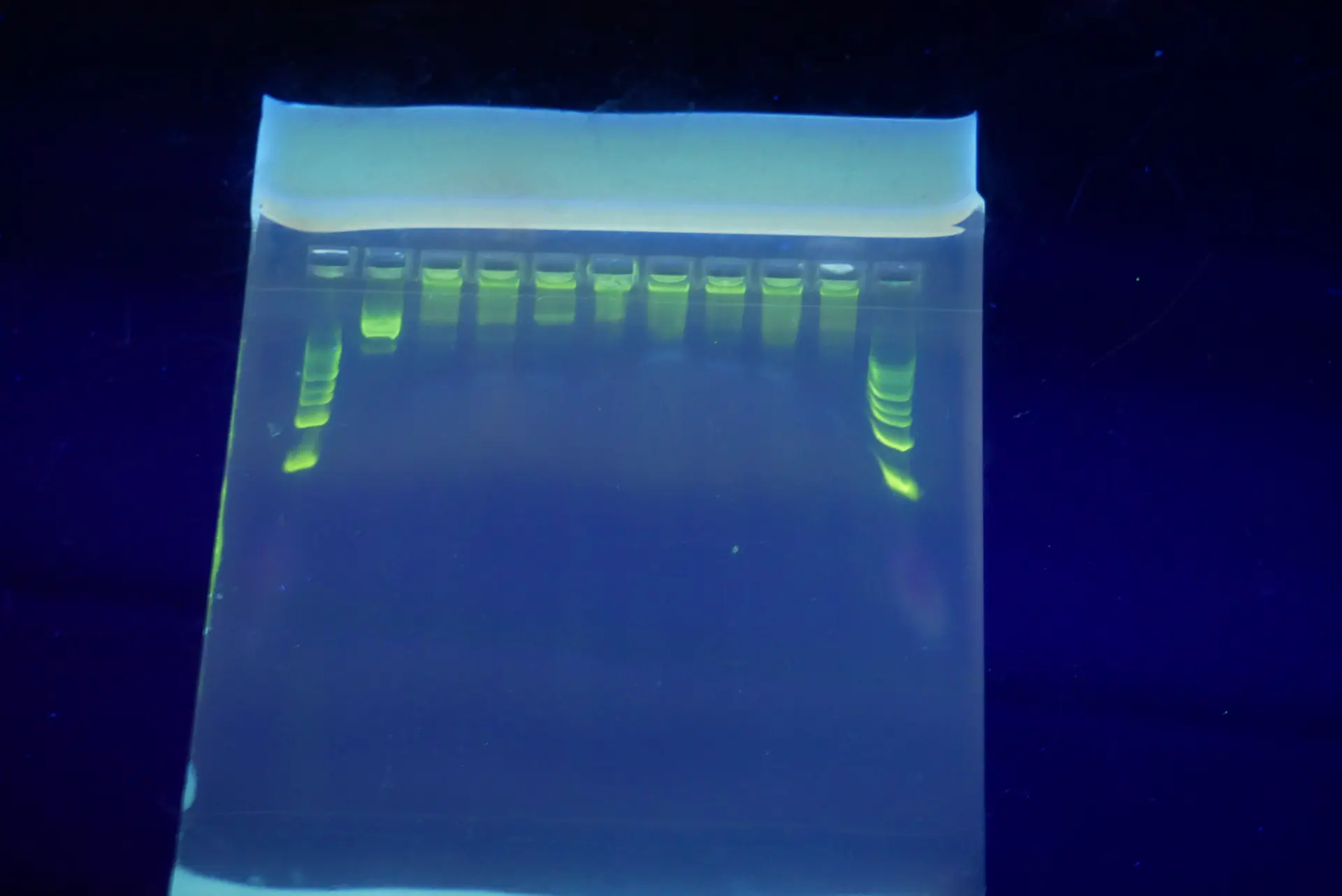
04-2 Gel showing low DNA
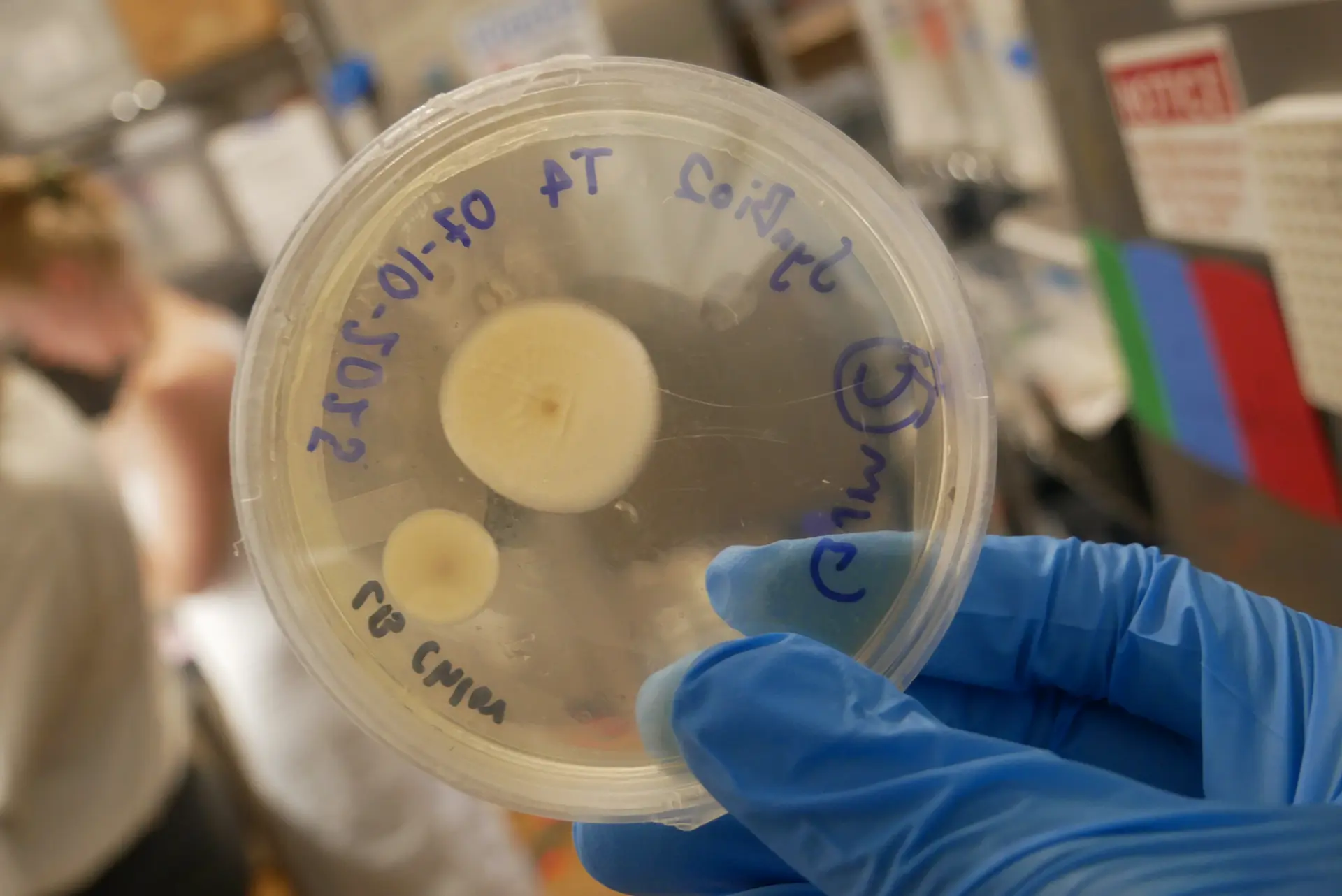
Fig. 2 — Successful population growth
04-3 Sequencing fail
Fig. 3 — Potential Contamination
04-4 Control plate
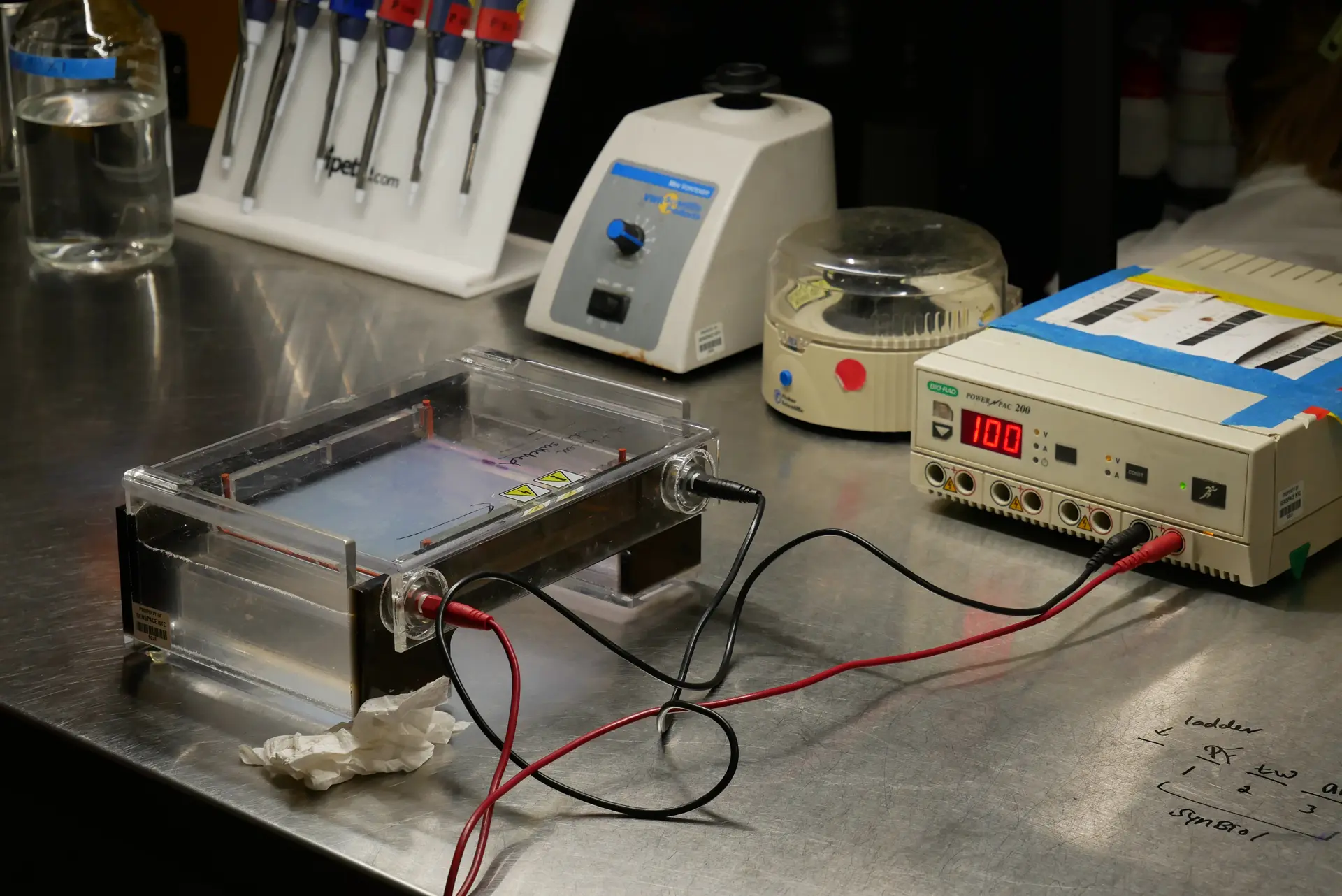
Fig. 4 — Running an Egel
04-5 Control plate
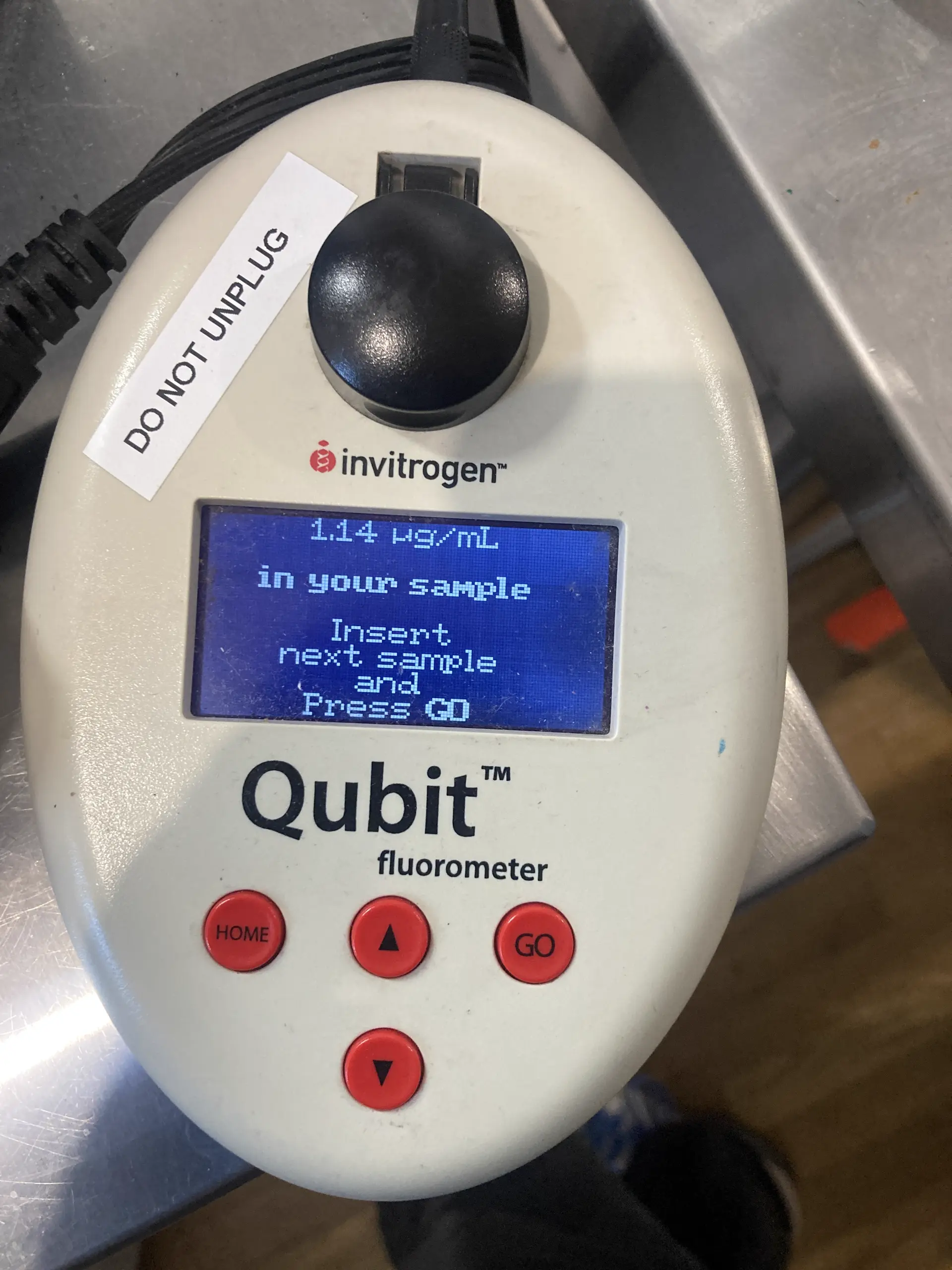
Fig. 5 — Failed sequencing due to insufficient DNA

05.

Discussion

Synthetic biology is a unique tool for investigating life cycles of plant pathogens. Our protocol demonstrated plasmid engineering and colony growth utilizing a well-established CRISPR platform. We focused on plasmid modification and operon insertion to target transport and synthesis of xantham via gum operons. This experimental process builds on highly customizable CRISPR technology with artificially created DNA oligo sequences. We modularly added to isolation and purification literature with choice Maxiprep techniques.

Iterative informed E-gel electrophoresis tests allowed us to improve our experimental transformation. Future protocols may be optimized in a variety of ways. One useful technique would distinguish between the absence v.s. low quantity colony yield of pCas9 plasmid DNA production. Future experiments may optimize ligase and oligo selection in addition to agar plating quantity. PCR testing is one of many possible analysis routes that can clarify results gathered via E-Gel and sequencing.

The potential bacterium uptake of engineered plasmids opens up ethical questions on the altering of Xylella fastidiosa. This engineering protocol may introduce unwanted resistance and gain of function changing improving pathogenicity, as well as expanding the list of potential hosts. However, the need to study and control plant pathogens keeping usage of pesticides/antimicrobial chemicals as low as possible is a preffered research outcome.

04-6 Control plate
plate growth verification
06.

References

All photo credit due to Maren Fossi

Simpson, A., Reinach, F., Arruda, P. et al. The genome sequence of the plant pathogen Xylella fastidiosa. Nature 406, 151–157 (2000). https://doi.org/10.1038/35018003

Sambrook J, Russell D, Sambrook J. The Condensed Protocols From Molecular Cloning. 1st ed. Cold Spring Harbor, N.Y.: Cold Spring Harbor Laboratory Press; 2006.

Guan W, Shao J, Davis RE, Zhao T, Huang Q. Genome Sequence of a Xylella fastidiosa Strain Causing Sycamore Leaf Scorch Disease in Virginia. Genome Announc. 2014 Aug 21;2(4):e00773-14. doi: 10.1128/genomeA.00773-14. PMID: 25146135; PMCID: PMC4153481.

Biology and Integrated Management of Xylella fastidiosa subsp. pauca (Xanthomonadales: Xanthomonadaceae) on the olive tree, Olea europaea L. (Lamiales: Oleaceae) - Scientific Figure on ResearchGate. Available from: https://www.researchgate.net/figure/Graphical-representation-of-transmission-of-X-fastidiosa-to-olive-trees-Almeida-2016_fig2_351614681 [accessed 27 Jul 2025]